
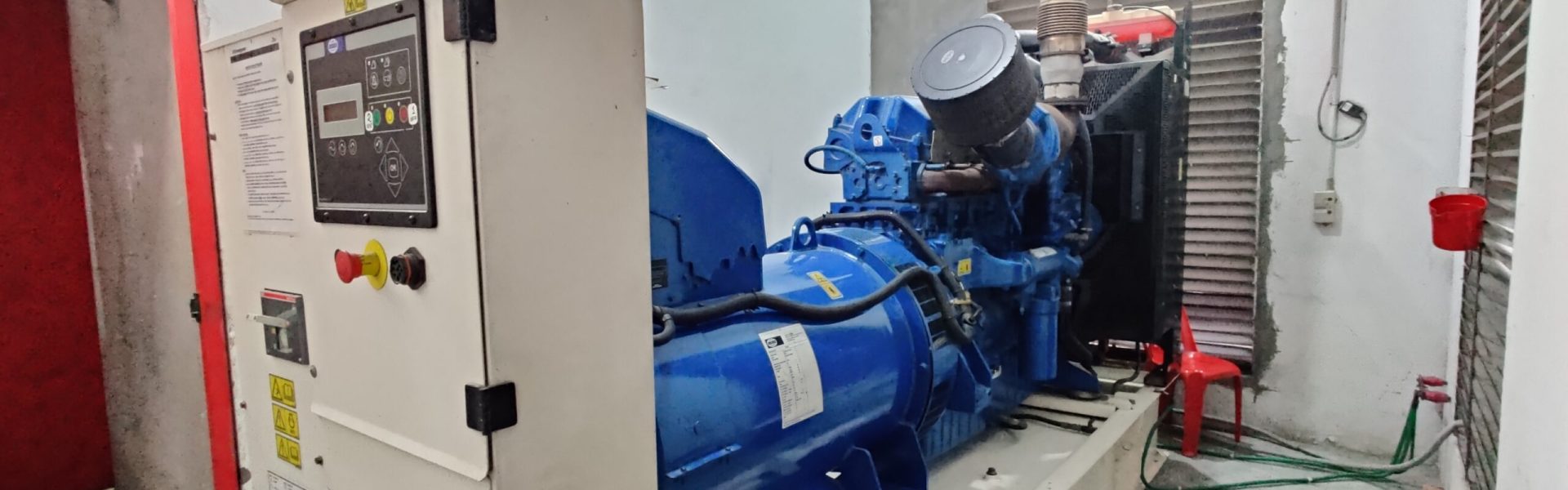

In order to ensure that all applicable environmental laws and regulations are followed to the letter of the law, United Costume Limited has made it a priority to do so. Environmental footprint reduction and good environmental management are important to us. This goal will be achieved through utilizing our product to reduce the carbon footprints of our customers, as well as by incorporating environmental management into our regular operations, so increasing our environmental efficiency and effectiveness (sustainability).
The recycling of textiles and clothing is crucial to the growth of the circular economy concept, and technology is the only mechanism by which this can be accomplished. All sorts of clothes, after being abandoned by customers, may be given a second life, and giving a second life to all discarded clothing is crucial for furthering the ‘circular economy’ notion. Prior to being sent through the recycling process, clothing retrieved from scrapyards or landfills is often segregated and classified into three categories: natural textiles, synthetic fabrics, and mixed fabrics, before being sent through the recycling process. In order for the industry’s stakeholders to grasp the usefulness of existing technologies – both for sorting different mixtures of garments and afterwards recycling them – they must possess a high level of knowledge and competence in their respective fields of endeavor.
As part of our commitment to a more sustainable future, we have implemented a waste management policy throughout the organization. The policy, among other things, emphasizes the need of properly identifying, segregating, storing, and disposing of hazardous chemicals in line with established processes. The amount of hazardous and non-hazardous waste generated by our company is recorded on a regular basis in order to assist us in our efforts to lessen our environmental imprint. To accomplish zero waste to landfill, we must first monitor and separate rubbish, which is the first step toward zero waste. This is the very first and most important step in our journey. Workers in the waste management department are continuously looking for ways to improve the system, and they are recognized for their accomplishments.
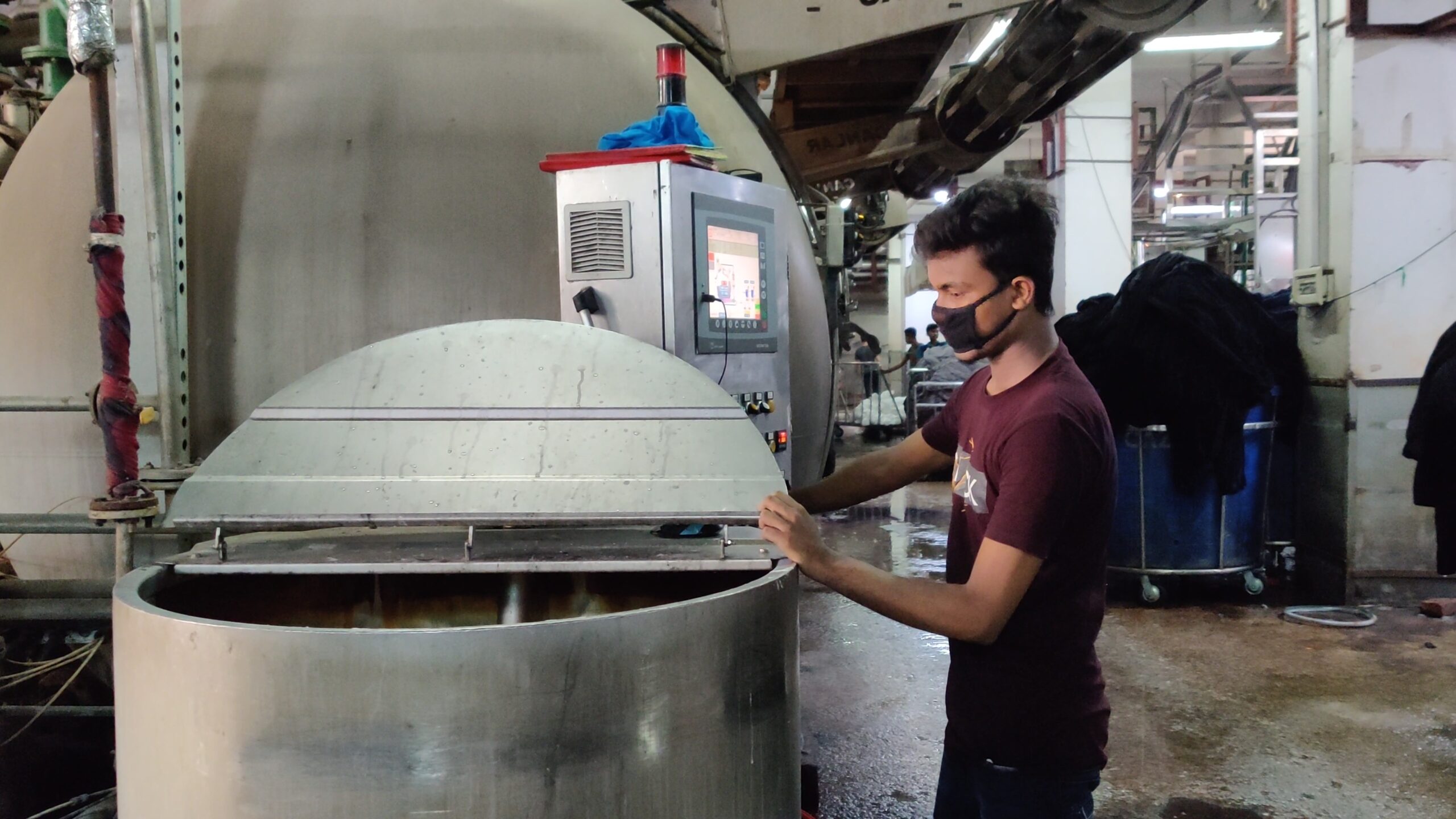
With a long and distinguished history of success in the garment exporting sector, United Costume Ltd. is a name to be reckoned with. A policy of removing any residual material is followed in order to maintain a viable industrial environment and ensure the continuation of operations. In order to dispose of the excess materials, the manufacturing authority entered into a deal with a third party. There are a number of different locations where factory waste, silt and paper or damaged cartoons, and medical garbage are gathered. Every week, the hired firm removes the silt, paper, and broken boxes that have gathered on the grounds, as well as any medical waste that may have accumulated on the premises. Additionally, our company, United Costume Ltd., is constantly on the lookout for and meticulous in all other aspects of its operations and procedures. The solutions developed by United Costume Limited in the area of waste management are significant, and they are being actively implemented.
In the case of dyeing liquid waste that is released on a local scale through the use of ETP for water purification, this is accomplished through water purification.
The chemical barrels are stored in a specified area once they have been used and will be there until the next time they are required.
In order to keep costs down, it is not feasible to dump all of the rubbish generated by the company in an open landfill. This waste should be disposed of in a trashcan, either with or without a lid, in order to avoid the environment from being contaminated or dirty.
In order to keep costs down, it is not feasible to dump all of the rubbish generated by the company in an open landfill. This waste should be disposed of in a trashcan, either with or without a lid, in order to avoid the environment from being contaminated or dirty.
- Arrangements are made for the disposal of unsold trash/waste material in the garbage truck once the rubbish has been disposed of in the garbage truck.
At their own expense and risk, it is the obligation of the business / renovation company to collect the waste construction materials generated during the renovation of various buildings / factories.
Medical room waste must be emptied in line with health department standards and put in a designated area and removed within a certain time period.
- The spot lifter’s empty quota shall be kept in the designated area according to company policy. • Toilet waste should only be disposed of in the designated areas of the facility.
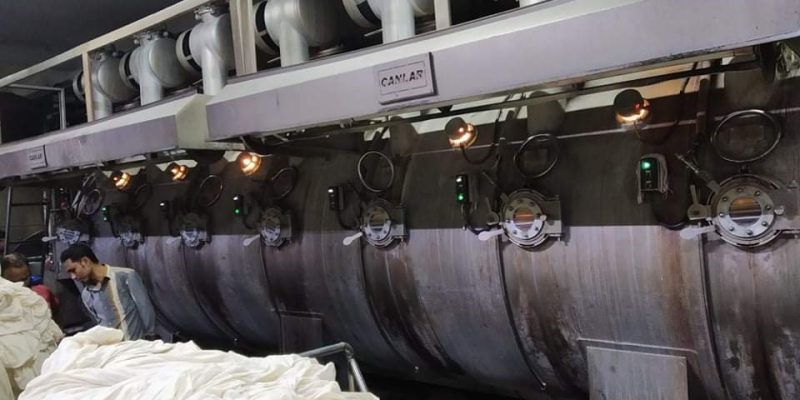
Aside from that, we are committed to utilizing recycled materials in our production processes whenever and wherever practical. In turn, increased dependence on recycled materials results in a reduction in the amount of raw materials required for the same applications, which leads to an overall cost reduction for the same applications.
When it comes to the clothing industry, there are a variety of recyclable materials that are used. Some examples of such materials are paper and plastics as well as glass, aluminum, steel, and wood. When recycled materials are used as inputs in the manufacturing process, they are subsequently subjected to extensive processing in order to produce end commodities. The efficiency of recycling is influenced by a number of factors, including the success of recycling collection and processing, the presence of markets for recycled materials in manufacturing and/or applications, and the acceptance and marketing of recycled goods and applications by the general public. Recycling may be divided into the following categories, in general terms:
The dyeing sector of United Costume Limited makes use of biological treatment plants, which are considered to be ecologically beneficial (UCL). In addition to being an important component of any wastewater treatment plant that treats wastewater from municipalities or industry, this facility also makes a positive contribution to the environment by treating wastewater that contains soluble organic pollutants, or a mixture of the two types of wastewater. The apparent cost benefit of biological treatment over other treatment processes such as chemical oxidation, thermal oxidation, and so on has resulted in it being an obligatory component of any integrated contaminated water treatment facility.
An effluent treatment plant (ETP) refers to a stream of chemical liquid that is removed from a manufacturing facility after it has been employed in the primary process. Excess dye liquid collected from the textile industry after clothes have been dyed in a variety of ways necessitates the employment of a variety of chemicals to effectively manage the situation. They are used to remove or neutralize harmful components from dye liquor prior to the dye liquor being discharged into the environment, in order to prevent dye liquor from being released into the environment. They are also good to the environment. UCL offers a wide range of bio-chemical wastewater treatment techniques to fulfill the demands of clients, including chemical precipitation, ion exchange, neutralization, and adsorption, as well as other treatments.
Water treatment chemicals are used in a variety of methods to speed disinfection and reduce the amount of time that wastewater must be treated. Additionally, chemical cleaning processes such as biological and physical cleaning employ chemicals such as neutralization and stabilization, which are added to liquid waste during cleaning and result in chemical reactions, as well as chemicals such as neutralization and stabilization, which produce chemical reactions during the process. Chemical unit processes are terminologies that are used to describe the chemical processes that result in chemical reactions, as well as to define the chemical processes that result in chemical reactions. When it comes to the treatment of chemical waste at a wastewater treatment plant, United Costume Limited is the leader in technological innovation and innovation.