
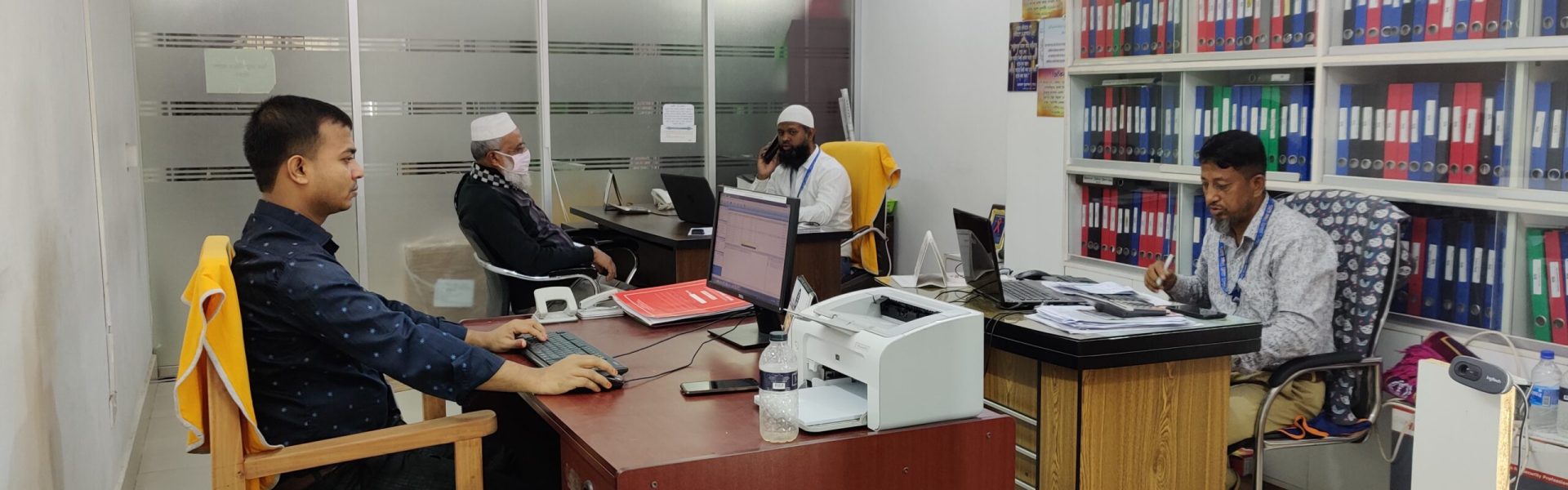

We make certain that our workers are appropriately rewarded by offering compensation packages that include pay and benefits that meet or exceed the legally mandated minimum criteria for the job in which they are employed. Everyone who works for the company receives a thorough written accounting of their earnings at the conclusion of each pay month. We have effectively paid salaries that are at least as high as the legal minimum wage in each country in which we have done business.
Under pressure from employees, labor unions, and civil society organizations, big global firms in the garment industry have begun to make promises to provide livable wages to the people who create their garments during the last decade. A livable wage is also recognized as a human right by the United Nations. Furthermore, we are committed to providing our employees with fair remuneration, and we define a living wage in terms of the following characteristics:
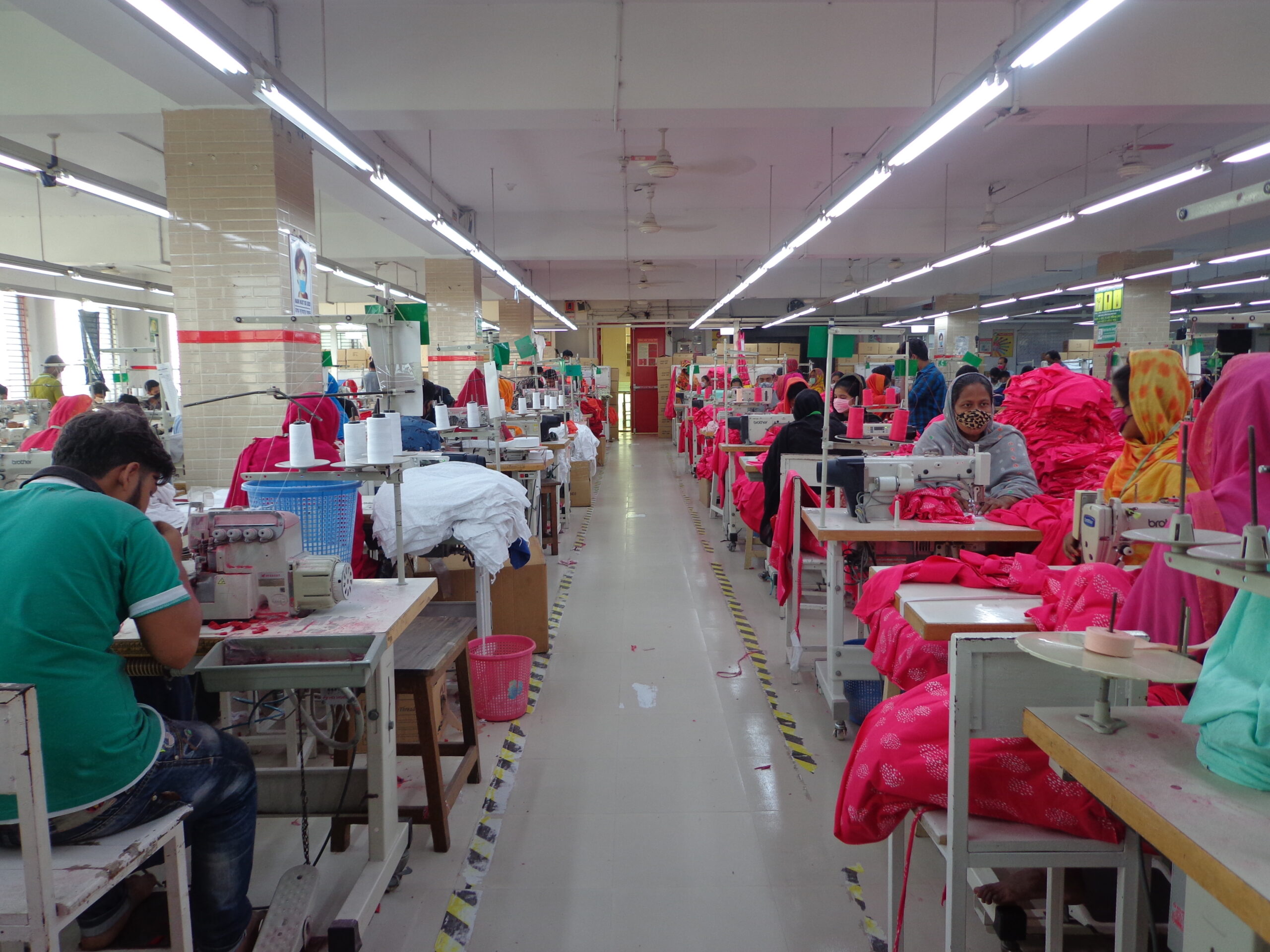
• A livable wage is always a pay that can support a family. In the majority of producing nations, pension and insurance programs are insufficient, and public health care facilities are frequently unavailable. Because of this, a real living wage must take this into consideration and at the very least partially meet the fundamental requirements of unpaid carers in the home.
• A living salary must allow for the accumulation of savings. Workers remain in a vulnerable position, are unable to develop mid- and long-term plans for their life, and are at danger of being indebted if they are forced to incur extra financial obligations that were not anticipated.
• A living wage must establish a floor, rather than a ceiling, for wage payment and ensure a minimum income for all workers in order to be considered a living wage. In an ideal world, a living wage would be implemented on a regional scale in order to avoid growing wage rivalry between nations while instead raising the basic salary level for all workers.
• A living salary must allow for the accumulation of savings. Workers remain in a vulnerable position, are unable to develop mid- and long-term plans for their life, and are at danger of being indebted if they are forced to incur extra financial obligations that were not anticipated.
• A living wage must establish a floor, rather than a ceiling, for wage payment and ensure a minimum income for all workers in order to be considered a living wage. In an ideal world, a living wage would be implemented on a regional scale in order to avoid growing wage rivalry between nations while instead raising the basic salary level for all workers.
In light of this, we have built our compensation scale to accurately represent a livable wage in our nation and to ensure that our employees receive a sufficient income. We feel that if an employee does not receive adequate remuneration, he or she will lack the incentive to perform their jobs successfully, resulting in a decrease in production. When this occurs on a company-wide scale, it results in a significant loss of productivity, which we see as one of our competitive advantages.
Our dynamic structure allows us to guarantee that the pay of our employees are commensurate with their competence and production, and we also have a bonus system in place to recognize and reward our most productive and loyal employees. The majority of our employees earn more than their counterparts at other firms in the same industry, which is a trend that is significantly different in our nation. Our average remuneration is higher than the industry standard, and the workers get their wages through a well-established legal framework, allowing us to preserve openness on both sides of the transaction.
Our dynamic structure allows us to guarantee that the pay of our employees are commensurate with their competence and production, and we also have a bonus system in place to recognize and reward our most productive and loyal employees. The majority of our employees earn more than their counterparts at other firms in the same industry, which is a trend that is significantly different in our nation. Our average remuneration is higher than the industry standard, and the workers get their wages through a well-established legal framework, allowing us to preserve openness on both sides of the transaction.
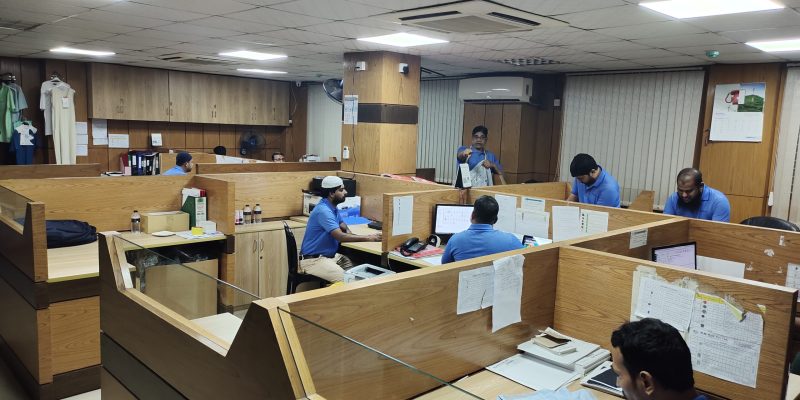
We, along with our contractors, are committed to operating in accordance with all applicable laws and regulations, including those governing compensation, working conditions, health and safety, and the protection of the environment, in the countries in which they are located and in which they conduct business. In order to accomplish this, we will adhere to the codes of conduct established by our customers and suppliers. Customers’ Codes of Conduct are more stringent if they deal with a similar issue to that addressed by the national law, according to the study. Our approach includes engaging in open dialogue with policymakers on topics such as wage-setting mechanisms, labour law, climate change, due diligence, the circular economy, and biodiversity, among other things. Bringing our collective experience and knowledge together not only helps us to improve legislation, but also helps us to make progress in the world. Businesses and governments must take equal responsibility for bringing about long-term change, and we believe that the only way to accomplish this is through bold, well-defined public policy initiatives.
We also have a workers’ union that is actively involved in collaborating with us to guarantee that the workers’ requests are satisfied in a satisfactory manner. All employees have the right to organize, form, and join trade unions, as well as the right to have their collective bargaining rights negotiated on their behalf. United Costume Ltd. acknowledges all the rights of its employees to organize labour unions and to bargain collectively for better working conditions. Employees’ ability to join trade unions / the World Workers’ Congress (Workers Welfare Committee) is included in these rights. It is understood that no threats, penalties, or other forms of discrimination will be levelled against employees who exercise their legal right to do so.
In the event of an inconvenience, the employees’ union contacts us, and we work with them to fix the problem. An analogous situation emerges when a need for additional employees is identified. Keeping our employees motivated and satisfied has always been a top priority for us at United Costume Limited, and ensuring that they receive fair wages has been the first step in our goal of becoming a major force in the industry while also attracting top-quality employees from all over the country. Our equitable remuneration policies distinguish us from the standards of the industry and provide a distinct competitive edge in terms of efficiency and production. In addition, our two-way method of providing and receiving feedback from and among workers has enabled us to build a sense of purpose among our employees, which has helped us to strengthen our organizational vision and ensure the attainment of our organizational goals and objectives.
In the event of an inconvenience, the employees’ union contacts us, and we work with them to fix the problem. An analogous situation emerges when a need for additional employees is identified. Keeping our employees motivated and satisfied has always been a top priority for us at United Costume Limited, and ensuring that they receive fair wages has been the first step in our goal of becoming a major force in the industry while also attracting top-quality employees from all over the country. Our equitable remuneration policies distinguish us from the standards of the industry and provide a distinct competitive edge in terms of efficiency and production. In addition, our two-way method of providing and receiving feedback from and among workers has enabled us to build a sense of purpose among our employees, which has helped us to strengthen our organizational vision and ensure the attainment of our organizational goals and objectives.