

We have put procedures in place to prevent any kind of threat to its building and factories, as well as the introduction of non-manifest cargo into outbound shipments by implementing a risk management strategy (i.e. explosives, firearms, drugs, bio-hazards, and other contrabands). Provision of supply chain security policies and processes, as well as the maintenance and implementation of sufficient security measures, will aid in the prevention of the introduction of non-manifested goods into outgoing shipments.
Over the past two decades, the ready-made clothing industry in Bangladesh has undergone significant expansion. This fast and unchecked expansion has also resulted in a number of major issues. A large number of industries have been established in buildings that are unsuited for industrial use, such as residential complexes and office buildings, in an effort to fulfill export demand. With the heavy load of sewing machines, fabric, and large numbers of workers on their shoulders, many factory buildings are ill-equipped to handle the situation, with exit and entry points that were not designed to accommodate large numbers of workers using them at the same time and the need for industrial safety equipment that was never anticipated. However, the industry has traditionally placed greater emphasis on the contribution the sector makes to employment and export revenues than it has on the safety of the factories in this context.
Over the past two decades, the ready-made clothing industry in Bangladesh has undergone significant expansion. This fast and unchecked expansion has also resulted in a number of major issues. A large number of industries have been established in buildings that are unsuited for industrial use, such as residential complexes and office buildings, in an effort to fulfill export demand. With the heavy load of sewing machines, fabric, and large numbers of workers on their shoulders, many factory buildings are ill-equipped to handle the situation, with exit and entry points that were not designed to accommodate large numbers of workers using them at the same time and the need for industrial safety equipment that was never anticipated. However, the industry has traditionally placed greater emphasis on the contribution the sector makes to employment and export revenues than it has on the safety of the factories in this context.
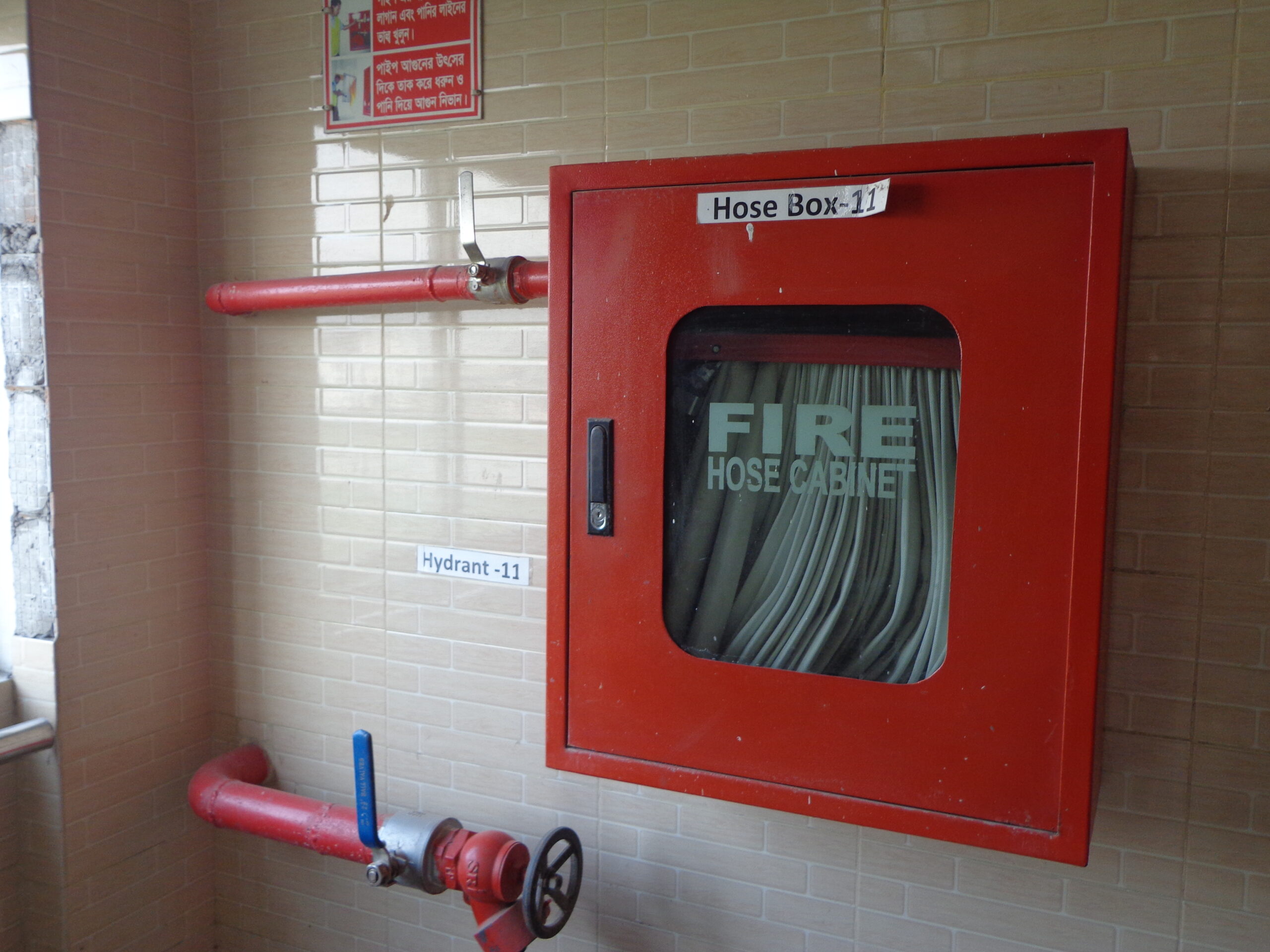
Even though Bangladesh’s garment industry has a long history of industrial mishaps, the fire at Tazreen Fashions in November 2012, which claimed the lives of 112 employees, was the first time that national stakeholders and the international world paid serious attention to the situation. As a result of the fire, several multinational businesses sought stringent controls over worker and building safety in garment factories in Bangladesh, recognizing that it may be a watershed event for the sector. Since then, because we are an export-oriented firm, we have entirely redesigned our building safety processes. We have installed all of the necessary building safety equipment and developed specific guidelines for how the facility’s safety will be assured going forward.
Our primary concern has been on developing a governance system that goes above and beyond traditional governance, in order to provide a structured framework for addressing the challenges of a changing society, a fluctuating economy, and the corporate social responsibility dimension, from the very beginning. At United Costume Limited, we believe that good governance is critical because it lays the groundwork for those in charge of businesses to make better decisions. Sustaining businesses require high-quality, ethical decision-making that enables them to create long-term value more effectively.
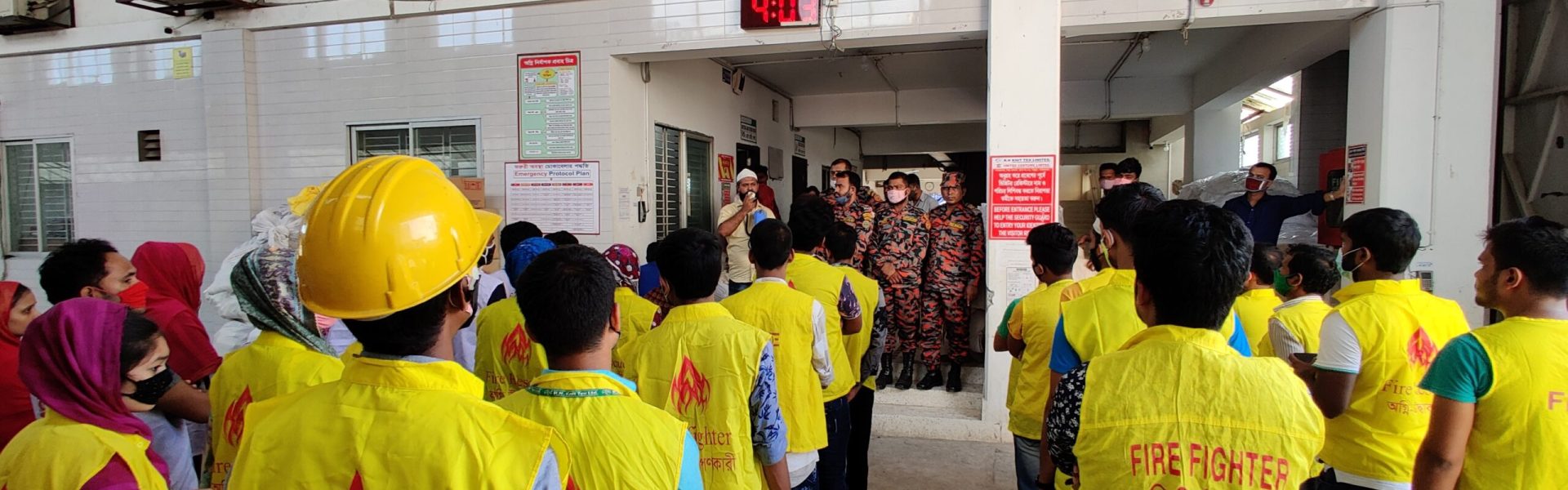
Building safety is not a task that can be accomplished just via the development of procedures or the implementation of technology. It is necessary for each and every employee in the organization to be active and willing to put out significant effort in order to create a safe workplace for everybody. We have selected the most prevalent workplace safety dangers in order to guarantee that all employees are fully aware of their presence on the job. In addition, we have taught the employees on how to evacuate the factories in the event of an emergency. A significant emphasis is placed on fire and chemical dangers as well as other types of hazards throughout the semi-annual training sessions.
Our risk management process is comprised of the steps of recognizing, analyzing, and prioritizing the many risks that exist inside our organization, followed by a systematic effort to limit, control, and monitor the likelihood that those risks may materialize in the future. This serves as the foundation for all actions carried out by the organization. The goal of this technique is to provide findings that are consistent and comparable. As the organization’s internal and external environments change over time, the risk management program is meant to predict, identify, acknowledge, and respond to such changes as soon as they occur, to the greatest extent possible. By continually learning and acquiring additional knowledge, the risk management tool is refined and improved on a regular basis.
It is our belief that everyone has the right to decent and humane working conditions, and that the protection of our environment must be a top priority in our approach to business. As a result, we have set up the Babylon Garments Ltd Social Compliance Policy, which clearly specifies the minimum working and environmental conditions that we must meet as the basis for conducting business. United Costume Limited has implemented a robust policy framework, which is supported by guidelines, as well as continuous checks and audit processes, to ensure that policies are followed. This is the underlying principle of our health and safety approach throughout the organization. It is our intended goal to reassure you that every garment manufactured by UCL is not only of the highest quality but that we have also met certain criteria, which indicates that we are a compliant and ethical manufacturer.
We have made major advances in the areas of safety, financial reporting, corporate governance, and loss reduction as a result of our rigorous approach of managing and preventing risk, as well as assuring the safety of our buildings. We have raised our knowledge of when it is appropriate to treat and manage risk. Aside from that, we’ve been able to accomplish total compliance with all applicable legal and regulatory standards both domestically and abroad. As a result, we have greater trust in our decision-making and planning processes, as well as in the stated controls that allow us to make proper judgments and plan appropriately. Furthermore, we have been successful in increasing stakeholder confidence as well as ensuring that resources for risk management are allocated and used appropriately. In general, our integrated approach to risk management and building safety has enabled us to increase the efficacy and efficiency of our operations and save costs.
Building safety is not a task that can be accomplished just via the development of procedures or the implementation of technology. It is necessary for each and every employee in the organization to be active and willing to put out significant effort in order to create a safe workplace for everybody. We have selected the most prevalent workplace safety dangers in order to guarantee that all employees are fully aware of their presence on the job. In addition, we have taught the employees on how to evacuate the factories in the event of an emergency. A significant emphasis is placed on fire and chemical dangers as well as other types of hazards throughout the semi-annual training sessions.
Our risk management process is comprised of the steps of recognizing, analyzing, and prioritizing the many risks that exist inside our organization, followed by a systematic effort to limit, control, and monitor the likelihood that those risks may materialize in the future. This serves as the foundation for all actions carried out by the organization. The goal of this technique is to provide findings that are consistent and comparable. As the organization’s internal and external environments change over time, the risk management program is meant to predict, identify, acknowledge, and respond to such changes as soon as they occur, to the greatest extent possible. By continually learning and acquiring additional knowledge, the risk management tool is refined and improved on a regular basis.
It is our belief that everyone has the right to decent and humane working conditions, and that the protection of our environment must be a top priority in our approach to business. As a result, we have set up the Babylon Garments Ltd Social Compliance Policy, which clearly specifies the minimum working and environmental conditions that we must meet as the basis for conducting business. United Costume Limited has implemented a robust policy framework, which is supported by guidelines, as well as continuous checks and audit processes, to ensure that policies are followed. This is the underlying principle of our health and safety approach throughout the organization. It is our intended goal to reassure you that every garment manufactured by UCL is not only of the highest quality but that we have also met certain criteria, which indicates that we are a compliant and ethical manufacturer.
We have made major advances in the areas of safety, financial reporting, corporate governance, and loss reduction as a result of our rigorous approach of managing and preventing risk, as well as assuring the safety of our buildings. We have raised our knowledge of when it is appropriate to treat and manage risk. Aside from that, we’ve been able to accomplish total compliance with all applicable legal and regulatory standards both domestically and abroad. As a result, we have greater trust in our decision-making and planning processes, as well as in the stated controls that allow us to make proper judgments and plan appropriately. Furthermore, we have been successful in increasing stakeholder confidence as well as ensuring that resources for risk management are allocated and used appropriately. In general, our integrated approach to risk management and building safety has enabled us to increase the efficacy and efficiency of our operations and save costs.